Everyday Secularism: Building Trust Beyond Doctrine
Secularism is often discussed as a constitutional principle: the state must not privilege one religion or impose belief through law. That principle is indispensable, but its meaning reaches further. A secular culture is also built in the ordinary ways we meet one another—when we offer help without asking for a declaration of faith, when public services treat every person fairly, and when our shared problems matter more than our private creeds.
For people emerging from a system that has made ideology a condition of safety and opportunity, this change can feel unfamiliar. It asks us to replace obedience with responsibility. Instead of waiting for an authority to define virtue, we can practice it through honesty, consent, care, and cooperation. Meaningful community does not require a single doctrine; it requires people who show up for one another.
From Charity to Mutual Aid
Helping a neighbor, supporting a family after a crisis, or contributing time to a local project are powerful forms of social solidarity. In a healthy secular society, such support is transparent and voluntary. Decisions about common resources are open to those affected, accounts can be examined, and no one must perform religious loyalty in exchange for assistance. Mutual aid protects dignity because it treats people as equal participants rather than as grateful recipients.
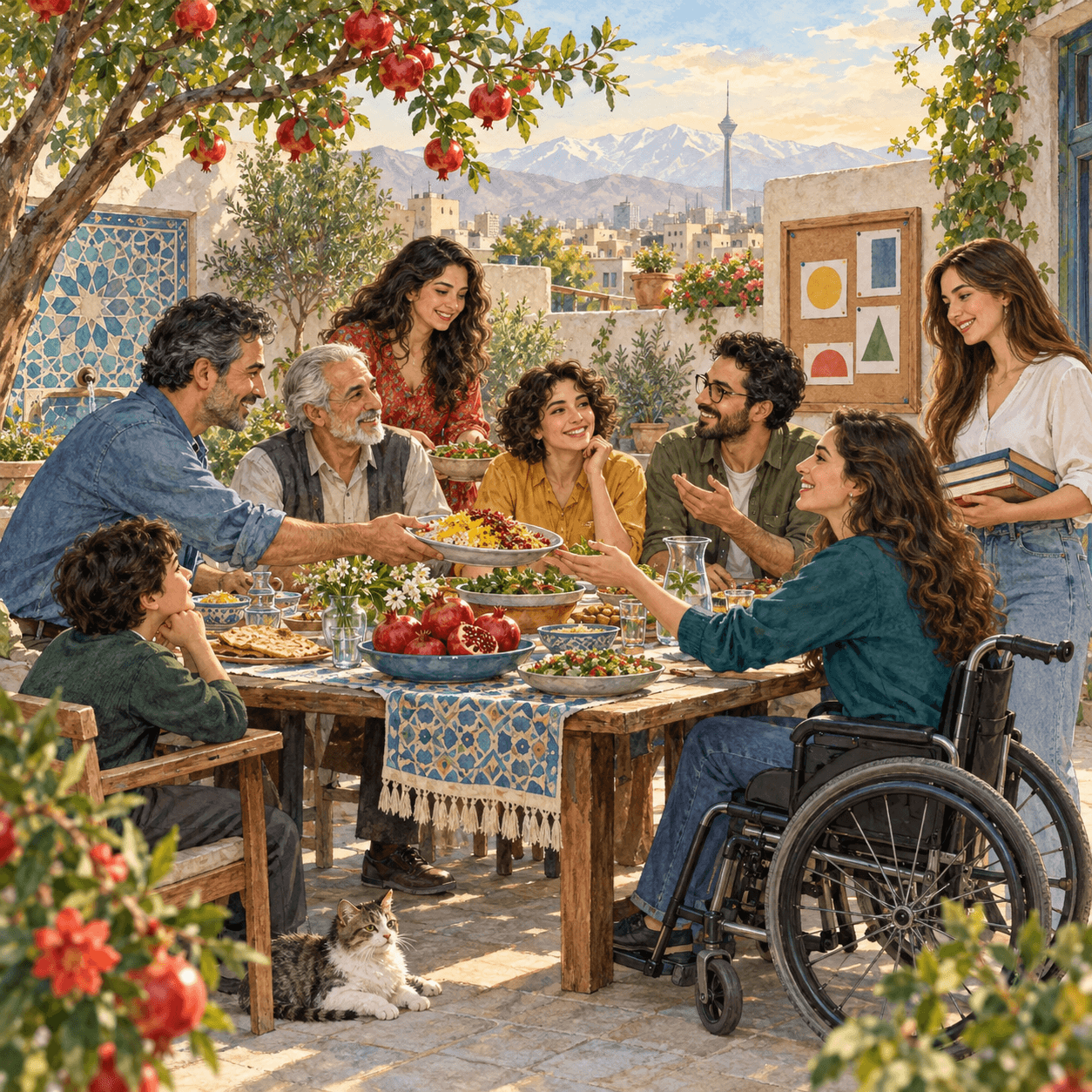
Local libraries, parent groups, neighborhood kitchens, independent unions, and civic associations can all become places where this trust grows. Their purpose is not to erase difference. It is to create reliable cooperation across difference—between believers and non-believers, people of different ethnicities, generations, and ways of life. The strongest communities are not uniform; they are practiced at listening and working together.
Equal Dignity in Shared Spaces
A clinic, school, court, or municipal office should never make anyone feel that their rights depend on their beliefs. Equal access, clear rules, and respectful language turn secularism from an idea into an everyday experience. The same standard belongs in workplaces and families: disagreement does not cancel another person’s humanity, and no one should have to hide who they are to be safe.
Small Habits, Lasting Change
We build this culture through small choices: saying “I do not know” rather than pretending certainty, checking a claim before sharing it, making room for a quieter voice in a conversation, and helping someone without demanding sameness in return. These actions may seem modest, but together they create the trust on which freedom depends. A secular Iran will be secured not only by new laws, but by millions of daily acts that affirm one simple truth: every person deserves equal concern and respect.